

Trump’s Executive Order on Showerhead and Appliance Water Regulations: Consumer Freedom vs. Environmental Protection
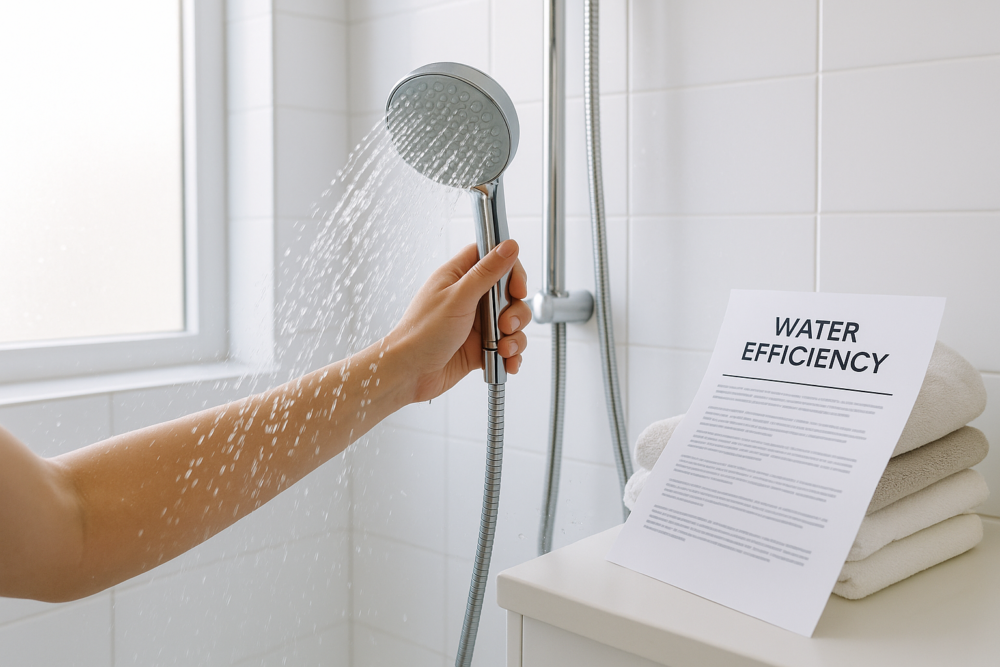
The recent reversal of federal water efficiency standards by President Donald Trump (Republican) has reignited debate over household appliance regulations and the nation’s stance on environmental policy. On April 9, 2025, Trump signed an executive order that not only redefines the term “showerhead”—allowing each nozzle to dispense up to 2.5 gallons per minute—but also lifts restrictions on appliances like dishwashers and toilets. This action effectively increases potential water consumption in homes and is being celebrated by supporters as a victory for personal freedom of choice regarding household products. However, environmental advocates and policy experts warn that this deregulatory move threatens critical progress made on water conservation and energy efficiency over the past decades.
The new rule reverts the nation to pre-1992 standards, undoing regulations set by Presidents Barack Obama (Democrat) and Joe Biden (Democrat) that limited the total output of water from household fixtures. Trump has been outspoken in his criticism—citing personal frustrations with water pressure and what he calls an “Obama-Biden war on water pressure.” According to the language of the executive order, the new standard aims to “restore shower freedom” as part of a broader campaign to dismantle what Trump considers unnecessary regulations. The measure quickly drew responses across the political and advocacy spectrum.
By targeting a core aspect of everyday life—water use in the home—this executive order directly interacts with long-standing federal conservation efforts. As reported by AP News, the order redefines ‘showerhead’ to allow each nozzle to output 2.5 gallons per minute, thus increasing total water flow from fixtures. Appliances like dishwashers and washing machines are now also exempt from stringent efficiency criteria, a move that could have significant consequences for both consumers and the environment.
“I have to stand under the shower for 15 minutes until it gets wet. It comes out drip, drip, drip. It’s ridiculous,” Trump remarked—a sentiment echoed by some Americans, yet sharply contested by conservationists and appliance manufacturers.
As households prepare for the potential changes to the market, questions loom regarding the effects on utility bills, water supply sustainability, and national commitments to climate progress.
Evaluating Policy Rollbacks: Stakeholder Responses and Environmental Ramifications
Stakeholders from multiple sectors responded quickly to the Trump administration’s executive order. Industry groups representing appliance manufacturers, conservationists, and consumer advocates have all weighed in. The Appliance Standards Awareness Project and other environmental organizations have strongly criticized the measure, raising alarms about its potential to undo years of progress toward water and energy conservation. They caution that the revised standards could result in substantial increases in water waste, higher energy consumption for heating that water, and, ultimately, rising utility costs for families.
Supporters of the order, on the other hand, frame the shift as a win for consumer freedom. For these voices, the ability to select high-flow, “traditional” appliances represents an important rollback of what they see as federal overreach into personal decision-making. According to Reuters, advocates of deregulation argue that product performance, not government mandates, should drive consumer choices.
The executive order is not limited to showers: it also removes efficiency benchmarks for dishwashers, toilets, and washing machines. This holistic deregulation could lead to meaningful shifts in product design and purchasing, even as industry data indicates manufacturers largely stayed compliant with efficiency standards during previous deregulatory efforts, reflecting consumer demand for sustainable options.
Andrew deLaski, executive director of the Appliance Standards Awareness Project, succinctly captured the criticism: “This order is a return to the days when Americans were forced to flush toilets 10 times instead of once.” He adds, “It’s both wasteful and unnecessary.”
Environmentalists stress that the cumulative impact of millions of Americans switching back to high-flow appliances could be dramatic. Increased water use could exacerbate drought conditions, strain aging infrastructure, and further imperil water sources already under stress from climate change. Given that domestic water use represents a significant share of local and regional consumption, changing these standards may jeopardize community resilience, especially in drought-prone states like California and the Southwest.
Meanwhile, the environmental impact of increased energy use to heat additional water flows cannot be ignored. This could undercut efforts to meet national and global emissions reduction targets, compounding the challenge of addressing climate change on a systemic level.Asserting that ‘every contribution matters,’ environmental advocates continue working to raise public awareness and encourage responsible water stewardship.
Historical and Policy Context: The Evolution and Impact of Federal Water Efficiency Standards
The debate over water efficiency regulations is rooted in a decades-old effort to address resource scarcity, rising utility costs, and the environmental implications of unchecked consumption. The 1992 Energy Policy Act marked a pivotal moment, instituting federal standards that limited showerheads to a total maximum of 2.5 gallons per minute and established similar targets for dishwashers and toilets. These rules led to significant reductions in both residential water use and the associated energy demand required for water heating.
The Obama and Biden administrations expanded on these rules, closing loopholes and ensuring new appliances contributed to national conservation goals. Backed by research from both government agencies and independent experts, these standards were designed to be both technologically feasible and effective in reducing waste. The past decade of implementation has demonstrated measurable gains, as water and energy bills have decreased for millions of Americans, and manufacturers have demonstrated that products can deliver both efficiency and strong performance.
By rolling back these regulations, President Trump (Republican) has chosen a policy path that he believes prioritizes the rights of individuals to choose the household products that best suit their needs—a position often embraced in conservative circles. Yet critics contend that dismantling these standards undermines collective action to address shared challenges, from drought to climate change.
“These regulations are not about federal control for the sake of control. They’re about ensuring future generations have access to clean water and affordable utilities,” noted an official from the Natural Resources Defense Council in a recent statement.
Long-term, the direction of federal standards for household appliances will have significant implications for the country’s ability to respond to environmental pressures. Communities already facing water scarcity may experience heightened vulnerabilities, and national efforts toward decarbonization could falter if energy consumption increases as a result of less efficient appliances. However, advocates are hopeful that public awareness and state-level action can help to offset or even reverse some of the negative impacts of this federal rollback. Cities and states with their own conservation laws may serve as important models, emphasizing that community-driven initiatives remain a powerful tool for progress.
This moment, then, represents not only a rollback of specific regulations but a broader test of American resolve to balance individual choice with the urgent need for environmental stewardship. As households, policymakers, and advocates respond to the executive order, it is clear that the path forward will depend on collective commitment and common-sense solutions—a challenge that, while daunting, also carries the promise of innovation and sustainable progress.