

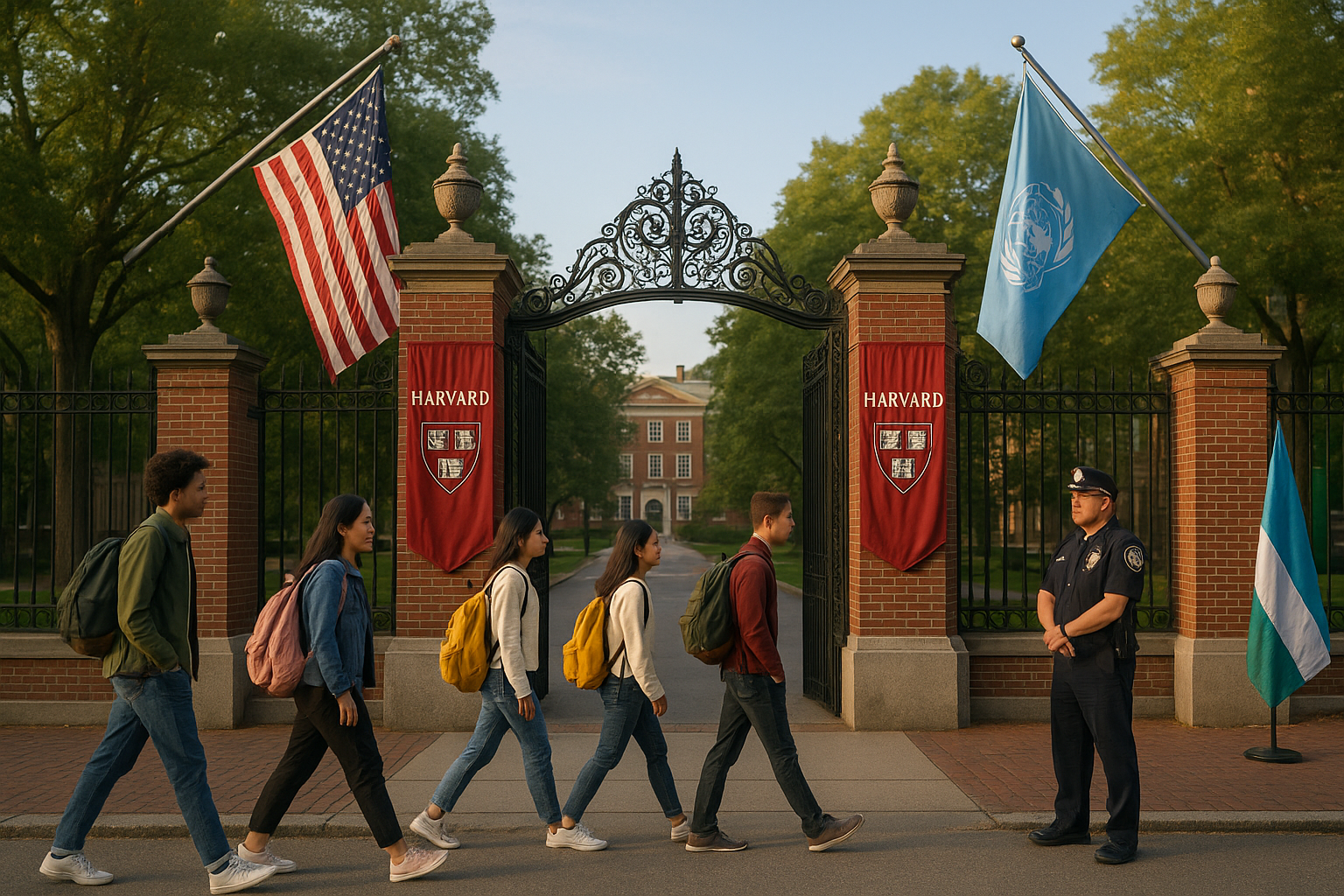
Trump Administration Suspends International Student Entry at Harvard: Implications for Academic Freedom and Diversity
President Donald Trump (Republican) has ignited widespread concern across the higher education sector with a new proclamation specifically targeting Harvard University’s international student body. Signed on June 5, 2025, the executive order suspends entry for new foreign students admitted to Harvard for at least six months, with the White House citing national security grounds and alleged noncooperation by Harvard in federal investigations. Unlike previous immigration directives, this order is laser-focused: it singles out Harvard, one of the nation’s most venerable educational institutions, and does not apply to foreign students enrolled at other American colleges and universities. The order was issued alongside expanded threats to Harvard’s federal funding, research contracts, and tax-exempt status—an escalation in a long-simmering conflict between the Trump administration and the university.
The suspension was justified by the administration as a matter of national security, pointing to Harvard’s research partnerships with China and alleged insufficient transparency with federal authorities. The move came after months of public friction between the university and federal agencies over issues including campus antisemitism, academic ties to Chinese researchers, and the university’s perceived resistance to increased government oversight.
In a statement released on the same day, Harvard condemned the action as “illegal retaliation,” pledging full support to its international students and reaffirming its commitment to academic openness and legal challenge.
By focusing enforcement on a single world-class institution, the president’s order has intensified debates about the boundaries of executive authority, the protection of academic freedom, and the role that international students play in campus diversity and American innovation. The policy decision places the United States at a crossroads, as it grapples with maintaining its historic status as a beacon for talented scholars around the globe while balancing national interests.
Legal and Social Fallout: Harvard Responds and National Tensions Rise Over Immigration and Oversight
The administration’s directive is sweeping in its effect: not only does it ban new international students from entering Harvard, it also empowers the State Department to consider revoking visas for current Harvard students who meet certain as-yet-unspecified criteria. While these provisions echo prior restrictive policies, the singular focus on Harvard makes the move unprecedented. The Financial Times reports that visas for current students are subject to review, placing their status in limbo and adding to an atmosphere of anxiety on campus.
Harvard, for its part, has categorically denied the administration’s allegations, cautioning that these actions undermine the core mission of higher education and the country’s long record of welcoming global talent. The university maintains it has met federal information requests and views the proclamation as a clear act of political retaliation. Civil rights organizations and student advocacy groups have rapidly mobilized, urging Congress and the courts to protect vulnerable students and defend academic independence.
“We are witnessing an extraordinary breach of precedent,” said a spokesperson for the American Council on Education. “Targeting a single university in this manner sends a chilling signal to both domestic and international scholars.”
The order follows a pattern of the Trump administration’s prior interventions in higher education and immigration regulation. Administration officials allege that Harvard has hosted foreign individuals involved in activities counter to American interests, including research that could benefit military modernization in China. Critics of the policy call this a thinly veiled attempt to stifle dissent and punish institutions with which the administration has ongoing disputes—on everything from racial justice protests to research integrity.
Uncertainty now surrounds current international students at Harvard, many of whom fear sudden visa revocation and the loss of educational and career opportunities. The university’s international offices have launched expanded legal clinics and student support services, seeking to provide at-risk students with the information and resources needed to navigate the fast-changing situation.
Historical Context and Pathways Forward: Precedents, Policy Ramifications, and Hope for Resolution
The standoff between Harvard and the Trump administration has deep legal and historical roots. This is not the first time federal policy has collided with the autonomy of American universities—but the exclusivity of this order marks a stark departure from past practice. Earlier in 2025, a federal court blocked an attempt to revoke Harvard’s certification to host international students, signaling that the judiciary may ultimately serve as a check on executive reach. Legal experts predict a flurry of lawsuits challenging the recent proclamation, with universities, advocacy groups, and possibly affected state governments mounting challenges on constitutional and statutory grounds.
“Restrictionist policies send the wrong signal to global talent and risk undermining our leadership in research and innovation,” commented a former federal judge familiar with immigration law.
The policy also has repercussions for America’s soft power, economy, and global reputation. International students contribute billions of dollars annually to the U.S. economy and often become lifelong advocates for American values. Curtailing their access may drive talented scholars to competitor nations, weakening the U.S. research ecosystem and diminishing future diplomatic ties. Progressive lawmakers and education advocates have begun to rally support for legislative remedies and more robust federal protections for international students, pointing to America’s proud tradition as a destination for those seeking knowledge and opportunity.
At the same time, the controversy underlines the importance of university independence and academic freedom in a healthy democracy. While national security concerns merit careful consideration, advocates warn that blanket, politically motivated measures risk eroding trust in higher education, stifling innovation, and isolating the United States from the global academic community.
The path forward depends on the collective will of courts, Congress, and the broader public to safeguard the nation’s core educational values. As Harvard and its allies prepare for a protracted legal and political struggle, there remains cautious optimism that the resolution of this crisis will reassert America’s commitment to openness, inclusion, and progress—in both word and deed.